India Tribune Newsdesk
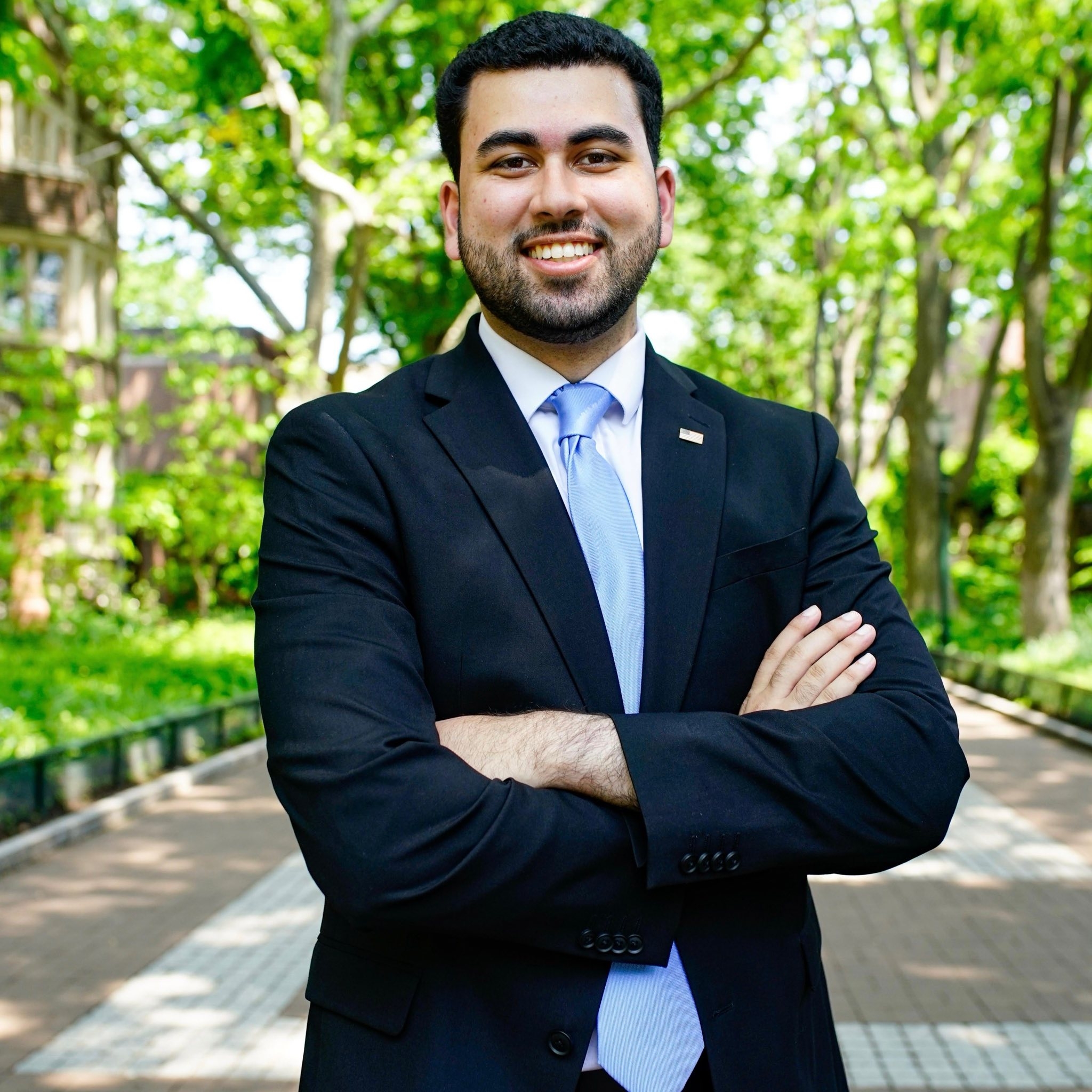
Chicago: Jay Vaingakar, a 28-year-old Indian-American Democratic candidate for New Jersey’s 12th Congressional District, has found himself at the center of a political firestorm after releasing a campaign video in Hindi. The video, aimed at encouraging the state’s South Asian, or “desi,” community to register and vote, has drawn criticism from both American and Indian communities.
In the clip, Vaingakar, a former Biden administration official, addressed voters in Hindi: “Aapko pata hai, hum desi community New Jersey ke sabse bade communities mein se ek hain. Mera naam Jay Vaingakar hai aur main June 2nd ko Congress ke liye election lad raha hun.” His intent was to connect with a large, often underrepresented demographic in New Jersey.
However, the decision to campaign in a foreign language provoked backlash. Critics on social media argued that as an American candidate, Vaingakar should speak English. One X user wrote, “If you have to do your entire video in a foreign language to capture a foreign demographic… you know immigration has gone right off the rails.” Others expressed concern that the approach undermines American identity and governance.
At the same time, some members of the desi community took issue with Vaingakar’s accent and perceived lack of fluency in Hindi. Comments likened his speech to a “British East Indian company officer,” suggesting that his Hindi could alienate voters rather than attract them.
Vaingakar, raised in Hightstown, New Jersey, by parents who immigrated from Mumbai, has built a career in public service. He previously served in the White House and as a Special Advisor at the US Department of Energy, focusing on energy policy and clean energy initiatives. A University of Pennsylvania graduate in International Studies, he has also worked as a community organizer and in the community solar sector, expanding access to affordable energy.
Despite the controversy, Vaingakar’s campaign shows strong early support. According to a press release, he raised nearly $110,000 in the first quarter of 2026, bringing his total campaign fundraising to over $260,000, largely from grassroots contributions. Vaingakar emphasized that no corporate PACs or special interest groups have contributed to his campaign, stating, “This early support shows that our message is resonating and that we’re in a strong position to compete against candidates with long-established political networks.”
Vaingakar is running to succeed incumbent Congresswoman Bonnie Watson Coleman, who announced her retirement. With a crowded primary field, the young candidate’s unconventional approach, including his use of Hindi, has sparked a broader debate on identity, representation, and political strategy in America.
Editor’s Perspective: Campaigning in Heritage Language Should Not Be Controversial
There is little reason to treat Jay Vaingakar’s decision to address New Jersey’s South Asian community in Hindi as controversial. Speaking in one’s heritage language does not diminish a candidate’s loyalty to the United States, nor does it undermine the integrity of the democratic process. Just as Spanish-speaking candidates routinely communicate with Hispanic voters in their native tongue, Indian-American candidates should be free to engage with voters in Hindi or any other language familiar to their community.
Vaingakar’s approach reflects an effort to connect with a demographic that often feels underrepresented and overlooked in politics. His intent is not to exclude English speakers but to encourage civic participation among those who may face language barriers or feel culturally disconnected from mainstream political discourse.
Criticism from both sides—those who insist on English-only communication and those scrutinizing his accent—is misplaced. Democracy thrives when candidates can reach voters authentically, acknowledging both their heritage and their citizenship. Instead of creating division over language, the conversation should focus on policies, vision, and the candidate’s capacity to serve constituents. Campaigning in Hindi is simply a tool for engagement, not a betrayal of American values.