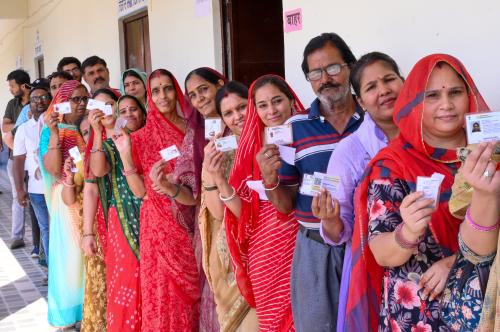
New Delhi, June 8 (IANS) Direct Benefit Transfer (DBT) has transformed the way welfare schemes are delivered in India, with more than Rs 50 lakh crore transferred directly into beneficiary accounts and leakages worth over Rs 4.31 lakh crore prevented, the government said on Monday, highlighting the system’s role in improving efficiency, transparency and financial inclusion.
In a post on social media platform X, the Ministry of Finance said that DBT has fundamentally reshaped welfare delivery by reducing intermediaries and ensuring that benefits reach intended recipients without delays or diversion.
It added that the scale of transfers and the prevention of leakages reflect a major structural shift in how subsidies and welfare payments are administered in the country.
“Direct Benefit Transfer changed how welfare reaches people. More than Rs 50 lakh crore has been transferred directly into beneficiary accounts while leakages worth over Rs 4.31 lakh crore have been prevented,” the ministry stated.
According to the government, the broader narrative around India’s financial inclusion has also evolved significantly.
It noted that inclusion is no longer limited to opening bank accounts, but now reflects deeper access to credit, insurance, savings and digital payments across the population.
The Financial Inclusion Index has improved from 53.9 in 2018 to 67 in 2026 -- indicating steady progress in expanding financial access and usage across the country.
The government said this rise reflects stronger integration of citizens into the formal financial system through technology-driven platforms.
“The global narrative around India’s inclusion story has changed. Financial inclusion in India is no longer about opening bank accounts alone. The Financial Inclusion Index has risen from 53.9 in 2018 to 67 in 2026, reflecting deeper access to credit, insurance, savings and digital payments,” the ministry added.
It also said that India’s digital public infrastructure, once viewed primarily through the lens of low banking penetration, is now being recognised globally as a model for inclusive development.