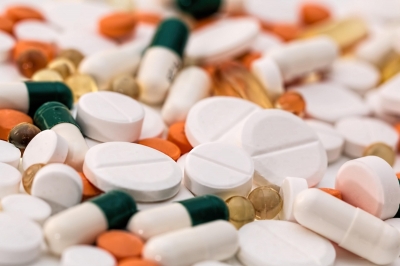
New Delhi, July 25 (IANS) The phased tariff plan announced by the US administration on imported generic medicines is expected to have a limited impact on the credit profiles of Indian pharmaceutical companies over the next two financial years, a report said on Saturday.
As per analysis of Infomerics Ratings, the US -- one of the largest markets for Indian drugmakers -- imported pharmaceutical products worth $9.47 billion from India in FY26, accounting for nearly 30 per cent of the country's overall pharma exports.
The built-in transition period provides Indian pharmaceutical companies adequate time to adapt their business strategies, limiting the near-term impact on their financial and credit profiles, it added.
"Shifting the manufacturing base to the US will have multiple challenges considering supply chain complexities, regulatory approvals, upfront capital expenditure requirements and the overall cost-benefit equation," said Rohit Inamdar, Chief Ratings Officer at Infomerics Ratings.
In addition, key starting materials and active pharmaceutical ingredients (APIs) are largely produced in India and China through well-established supply chains that would be difficult to replicate in the US.
Indian companies currently supply nearly 47 per cent of all generic prescriptions dispensed in the US, the report said adding that generic medicines account for around 90 per cent of prescriptions filled in the country but represent only about 13 per cent of total prescription drug spending.
Infomerics' analysis of 25 leading listed pharmaceutical companies showed that they reported healthy EBITDA margins of 26.1 per cent in FY26, although this moderated from 28.3 per cent in FY25.
Revenue grew around 11 per cent during the year, while debt protection metrics remained comfortable.
The report noted that Indian pharmaceutical companies have gradually diversified their revenue base across domestic markets, Europe and emerging markets such as South Africa, Mexico, Brazil and Russia, reducing their dependence on the US market.
The share of US business for seven leading companies declined to 33.4 per cent in FY26 from 36.8 per cent in FY25.
However, companies with greater exposure to the US market -- including Sun Pharma, Dr Reddy's Laboratories, Aurobindo Pharma, Zydus LifeSciences and Lupin -- could face relatively higher pressure as they derive 35-50 per cent of their revenues from the US.
Under the recently announced tariff plan, imports of generic medicines into the US will continue to attract zero tariff until July 31, 2028.
The report further noted that the tariff will then increase to 100 per cent for one year from August 1, 2028, before rising to 200 per cent from August 1, 2029, unless manufacturers establish production facilities in the US.