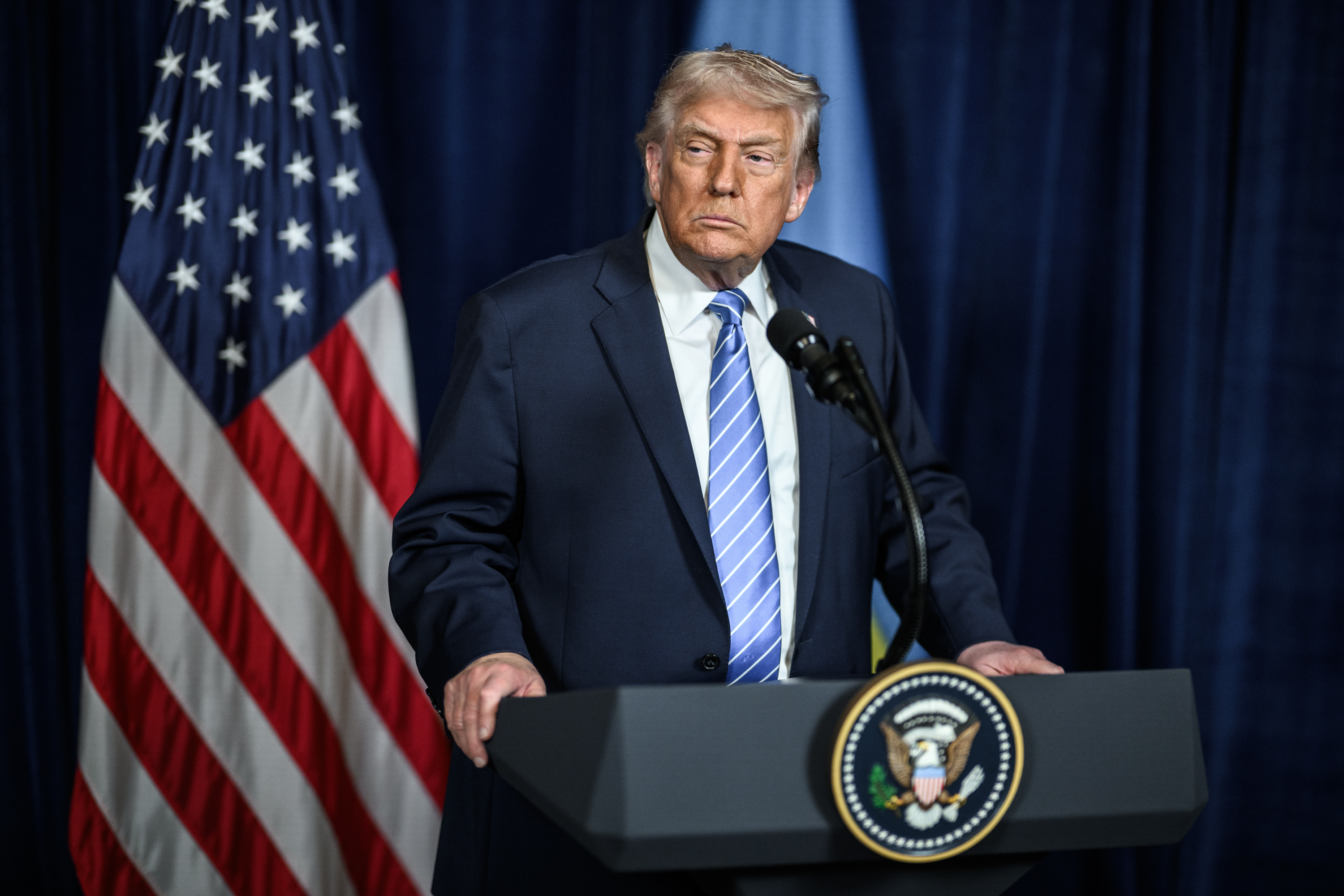
Washington: U.S. President Donald Trump has approved a far-reaching bipartisan sanctions bill targeting Russia, a move that could dramatically escalate economic pressure on Moscow while also threatening harsh penalties for countries that continue to trade with it. The endorsement was confirmed by Republican Senator Lindsey Graham, who said the legislation would empower the White House to impose unprecedented tariffs on nations supporting Russia’s war effort through energy purchases.
Graham announced the development after meeting Trump at the White House, describing the president’s decision as a major shift in U.S. strategy on the Ukraine conflict. According to the senator, Trump “greenlit” the Russia Sanctions Act after months of discussions, clearing the way for Congress to bring the bill to a vote as early as next week. A White House official also confirmed the president’s support.
The proposed legislation would grant the U.S. president broad authority to economically isolate Russia and impose secondary sanctions on third countries that continue buying Russian oil, gas, uranium, or other key exports. Most notably, it authorizes tariffs of up to 500 percent on all goods imported into the United States from any country that knowingly purchases Russian energy products. Supporters argue that such measures would strike at the financial backbone of Russia’s military operations while discouraging global partners from undercutting Western sanctions.
Graham said the timing of the bill was deliberate, arguing that Ukraine has shown willingness to make concessions in pursuit of peace while Russian President Vladimir Putin has failed to match words with action. He described the legislation as a tool to give Trump “tremendous leverage” over major economies such as China, India, and Brazil, which have continued importing discounted Russian oil since the start of the war.
The sanctions package was co-authored by Graham and Democratic Senator Richard Blumenthal and has drawn significant bipartisan backing, with dozens of co-sponsors in both chambers of Congress. A companion bill has also been introduced in the House of Representatives. While the White House had earlier sought flexibility in how the sanctions could be applied, it remains unclear whether revisions were made before Trump gave his approval.
The move comes amid a broader hardening of Washington’s stance toward Moscow and its allies. Earlier this week, U.S. forces reportedly seized an oil tanker accused of carrying sanctioned Venezuelan crude bound for Russia, a development Graham publicly praised as part of a wider campaign to choke off energy revenues flowing to authoritarian governments.
Internationally, the bill has raised concerns among U.S. trading partners, particularly India, which could face severe economic consequences if the tariffs are enacted. Indian refiners have already shown signs of reducing Russian oil imports, suggesting that pressure from Washington is having an effect even before the legislation becomes law.
The Trump administration is simultaneously pursuing diplomatic efforts to end the nearly four-year-old war in Ukraine, with senior envoys engaged in negotiations. Supporters of the sanctions argue that economic force will strengthen the U.S. negotiating position, while critics warn the bill could strain global trade relations. If passed, the legislation would mark one of the most aggressive uses of economic power in modern U.S. foreign policy.